

A Glimpse into the Future: What Home Robots Will Bring
Imagine waking up in the morning and being greeted by a friendly robot that prepares your coffee, manages your schedule, and ensures your home is secure while you’re away. The Tesla Bot, for instance, is set to become a pioneering figure in this new era. Expected to be available for home use soon, this humanoid robot promises to handle a wide range of tasks, from mundane chores to more complex activities like caregiving and companionship.
But it’s not just about the Tesla Bot. Robotic vacuum cleaners like the Roomba have already shown how convenient automation can be. Looking ahead, a new generation of robots is emerging—robots that will mow lawns, clean windows, and even assist with medical care. These robots will be smarter, more efficient, and more integrated into our homes than ever before.
Spotlight on Four Revolutionary Consumer Robots*

Spotlight on Four Revolutionary Robots
1. Chefee
The Chefee is an advanced culinary robot designed to manage tasks like chopping, cooking, and meal preparation with precision. Learn more about Chefee
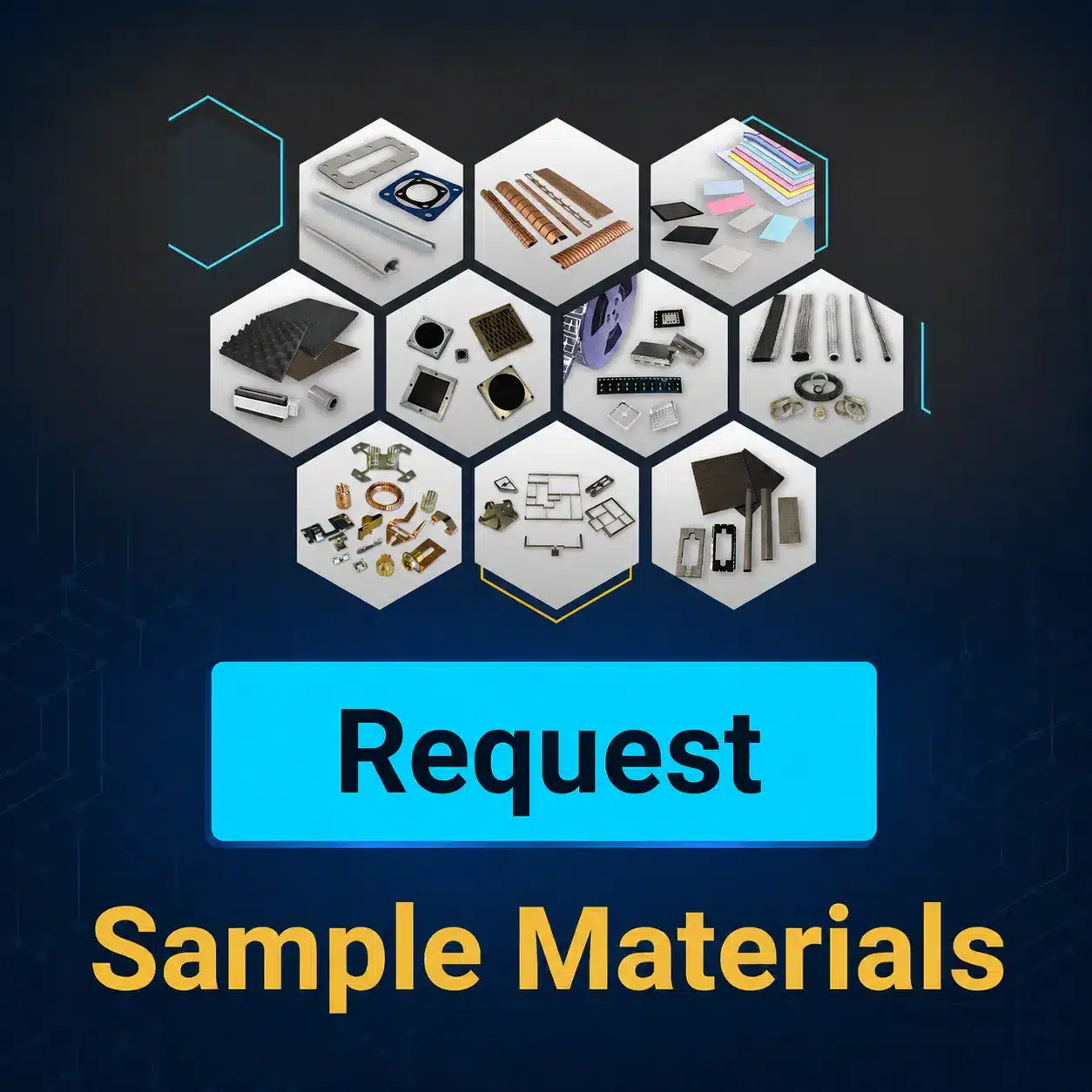
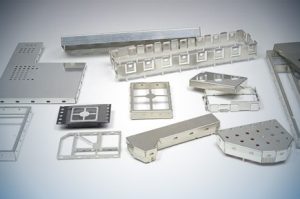
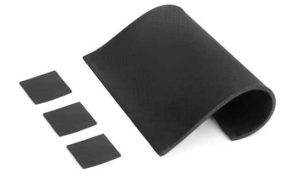
In the high-interference environment of a kitchen, Leader Tech’s Board-Level Shields and Fabric-Over-Foam Gaskets can provide valuable EMI/RFI protection, helping to ensure that a robot’s sensitive electronics are not disrupted by other appliances. Additionally, Thermally Conductive Pads offer an effective solution for managing heat generated by its operational components, which supports optimal performance and longevity. Stamped Antennas, known for their compact and durable design, can also be integrated to facilitate reliable communication with other smart home devices.

2. iRobot Roomba
The iRobot Roomba has set the standard for automated home cleaning. As these devices become more sophisticated, protecting their components from environmental factors becomes increasingly important. Learn more about iRobot Roomba
Leader Tech’s Custom Gaskets and Conductive Elastomers can offer robust environmental sealing, protecting a robot’s internal systems from dust, debris, and moisture. Additionally, Spring Contacts, which maintain consistent electrical connections, can be utilized to support reliable power and signal transmission, contributing to autonomous robotics operation.

3. Husqvarna Automower 450X
The Husqvarna Automower 450X is designed for rigorous outdoor environments, capable of handling large lawns and varying terrains. Learn more about Husqvarna Automower 450X
Leader Tech’s Sealing Gaskets and Conductive Elastomers can play a role in safeguarding an autonomous mower’s electronics against moisture and dust ingress. For thermal management, Thermally Conductive Pads offer an effective solution for dissipating the heat generated by powerful motors, aiding in continuous and reliable operation. Stamped Antennas, designed for precise and reliable GPS and communication functions, can enhance a mower’s ability to navigate challenging terrains.

4. Tesla Bot
The Tesla Bot represents a significant leap in humanoid robotics, designed to perform a wide range of household tasks. Learn more about Tesla Bot
Leader Tech’s Board-Level Shields and Fabric-Over-Foam Gaskets can provide reliable EMI/RFI protection, helping to ensure that sophisticated electronics operate without interference. A robot’s internal temperature can be maintained with Thermally Conductive Gap Fillers, which help manage heat generated by its high-performance components. Spring Contacts can also be incorporated to maintain secure electrical connections in a robot’s circuitry, supporting its versatile functions.
The Technological Backbone: How Leader Tech Supports Robotics
As these robots become more sophisticated, the need for reliable, high-performance components becomes more apparent. Leader Tech’s products are designed to enhance the performance and durability of these advanced machines. From EMI/RFI shielding to thermal management, custom gaskets, stamped antennas, and spring contacts, Leader Tech’s solutions provide robust support that helps keep cutting-edge robotics operating efficiently in various environments.


AI: The Driving Force Behind the Future of Home Robotics
Artificial intelligence (AI) is set to be the cornerstone of the next generation of home robots, driving significant advancements in their capabilities and applications. As AI technology continues to evolve, home robots will increasingly be able to perform tasks autonomously, learning from their environments and adapting to the unique needs of their users. This will include everything from advanced speech recognition and natural language processing, allowing robots to understand and respond to voice commands more intuitively, to machine learning algorithms that enable robots to anticipate household needs based on observed patterns.
Moreover, AI-powered home robots are expected to become integral parts of smart home ecosystems. They will not only carry out tasks like cleaning and organizing but will also serve as hubs that communicate with other smart devices in the home. This level of integration will allow for a seamless, automated home environment where AI-driven robots can manage multiple systems simultaneously, from adjusting the lighting and temperature to ensuring security measures are in place.
The future of home robotics, therefore, hinges on the continued development of AI. As AI algorithms become more sophisticated, we can expect home robots to take on more complex roles, such as providing companionship, assisting with healthcare, and even managing emergency situations. These advancements will fundamentally change how we interact with our living spaces.

The Future of Home Robotics: A Surge in Sales and Development by 2025
As we approach 2025, the home robotics market is on the verge of a significant boom, driven by rapid advancements in artificial intelligence and growing consumer demand for automation. According to Goldman Sachs, the robotics market, which includes household robots, is projected to surpass $50 billion by the mid-2020s. This growth is fueled by the increasing capabilities of AI, which are enabling robots to perform more complex and varied tasks with greater efficiency, making them more appealing to a broader range of consumers.
The Pew Research Center supports this optimistic outlook, predicting that by 2025, AI and robotics will be deeply integrated into daily life. Home robots are expected to manage a variety of tasks, from routine chores like cleaning to more specialized functions such as security monitoring and personal assistance. This widespread adoption is anticipated to drive significant investment and innovation in the sector, leading to the development of more advanced and accessible robotic solutions.
As a result of these trends, 2025 is likely to be a pivotal year for the home robotics industry. Companies are expected to intensify their research and development efforts, producing more affordable and sophisticated robots that will further drive market expansion. By 2025, home robots are set to transition from niche gadgets to mainstream household tools, fundamentally reshaping the landscape of home automation and daily living.
Looking Ahead: Preparing for a Future with Home Robots
As home robots become more integral to daily life, engineers and designers must consider the technical requirements that ensure these machines function effectively. Leader Tech is committed to supporting this technological revolution with products that provide the necessary protection and enhancement, helping the next generation of robots perform reliably in the environments they are built for.
Whether you’re developing the next breakthrough in home robotics or looking to enhance the performance of existing designs, Leader Tech’s advanced shielding, thermal management, and sealing solutions are here to help. Contact us today to learn how our products can be tailored to meet your specific needs and take your innovations to the next level.
*This article does not imply that Leader Tech components are in the consumer robotics highlighted in this article, rather we are demonstrating how Leader Tech is positioned to assist robotics manufactures in protecting their sensitive electronics and increasing the longevity of their components.