

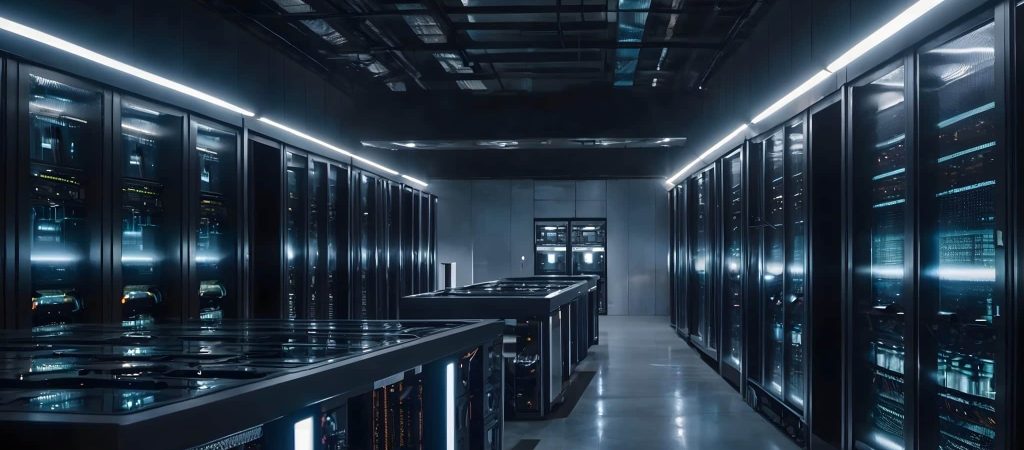
Artificial intelligence is rapidly changing the physical infrastructure behind modern computing. As AI workloads grow larger and more complex, data centers are operating under thermal and electromagnetic conditions that traditional server environments were never designed to handle.
Modern AI accelerators, GPUs, and high-speed networking hardware generate enormous amounts of heat while operating in increasingly dense server configurations. At the same time, these systems rely on ultra-fast data transmission speeds that are highly sensitive to electromagnetic interference. Together, these factors are forcing engineers to rethink how they approach thermal management and EMI/RFI control inside advanced computing environments.
Industry forecasts are already reflecting this shift. Molex’s 2026 predictions identify AI infrastructure as a major driver of new thermal management and power-efficiency requirements as organizations work to support increasingly demanding AI workloads. Meanwhile, EMI shielding market research identifies AI data centers as a performance-critical deployment area where rising signal-integrity demands are increasing the need for advanced shielding technologies.
As organizations continue investing heavily in AI capabilities, the focus is no longer only on computing performance. Engineers are now under increasing pressure to ensure these systems can maintain reliability under continuous, high-intensity operating conditions. This has made thermal management and EMI/RFI shielding much larger parts of the overall infrastructure conversation.

Why AI Infrastructure Is Different
Unlike conventional enterprise servers, AI systems often operate under sustained, high-intensity computational loads for extended periods of time. AI accelerator clusters can generate dramatically higher power densities, placing constant stress on both cooling systems and electronic reliability.
This creates several major engineering concerns:
- Higher internal operating temperatures
- Increased electromagnetic activity
- Greater signal integrity sensitivity
- Compact hardware layouts
- More demanding airflow requirements
As rack densities continue increasing, even small thermal inefficiencies or EMI/RFI disruptions can affect overall system reliability and performance.
AI infrastructure also tends to rely heavily on parallel processing architectures where multiple GPUs, accelerators, and networking systems must communicate continuously at high speeds. This creates densely packed electromagnetic environments where maintaining stable signal integrity becomes increasingly difficult.
At the same time, organizations are attempting to maximize compute performance within limited physical space. This often results in tighter enclosure layouts and reduced spacing between electronic assemblies, increasing both thermal concentration and the likelihood of electromagnetic coupling.
These conditions are pushing many traditional thermal and shielding strategies beyond their intended operating range.


Thermal Management Is Becoming a Critical Design Priority
AI processors and accelerators generate significant heat during continuous operation. Without effective thermal management, excessive temperatures can reduce performance, shorten component lifespan, and increase the risk of system instability.
This has pushed thermal design far beyond traditional heat sink strategies. Engineers are now looking more closely at the role of advanced Thermal Interface Materials in transferring heat away from processors, power systems, and high-speed networking hardware.
As cooling architectures become more aggressive, maintaining reliable thermal pathways throughout the system becomes increasingly important.

Many AI-focused facilities are now implementing advanced cooling approaches such as liquid cooling, direct-to-chip cooling systems, and high-efficiency airflow containment strategies. However, even with these larger cooling systems in place, localized thermal management at the component level remains essential.
Thermal bottlenecks often occur at the interface between heat-generating components and cooling assemblies. Poor thermal transfer at these points can lead to hotspots that affect processor efficiency and long-term reliability.
This is one reason Thermal Interface Materials continue becoming more important in AI hardware design. As compute density increases, engineers are placing greater emphasis on materials that can efficiently transfer heat while supporting compact assembly requirements.
EMI/RFI Challenges Continue to Grow
AI data centers also create extremely dense electromagnetic environments. High-speed processors, switching power systems, networking equipment, and tightly packed PCB assemblies all contribute to increased EMI/RFI activity.
At modern data rates, maintaining signal integrity becomes critical. Even relatively small levels of interference can affect communication reliability between processors, memory systems, and networking hardware.
This is especially important in AI environments where thousands of processors may be operating simultaneously and continuously exchanging massive amounts of data.
As AI hardware becomes more compact, the spacing between components continues shrinking, increasing the likelihood of electromagnetic coupling and internal interference issues. These conditions make effective shielding strategies increasingly important throughout both server and enclosure design.


Power delivery systems also contribute to these challenges. AI infrastructure requires substantial electrical power, and high-frequency switching electronics used in power conversion systems can become additional sources of electromagnetic noise inside dense computing environments.
The rapid increase in networking speeds further complicates these conditions. Faster interconnects leave less tolerance for signal degradation and EMI/RFI-related performance disruptions. As a result, shielding and grounding strategies are becoming more critical throughout the entire hardware architecture.
Leader Tech’s Role in AI Data Center Protection
As AI infrastructure continues pushing hardware to higher power densities and faster processing speeds, engineers are increasingly looking for materials and shielding products capable of supporting both thermal performance and electromagnetic reliability inside compact computing environments.
Leader Tech offers several product categories that can help address the growing demands created by AI data centers.
Board-Level Shields can help isolate sensitive components on densely populated PCB assemblies commonly found in AI accelerators, networking hardware, and high-speed computing systems. These shields help reduce electromagnetic coupling while supporting compact layouts where space is limited.
Conductive Elastomers and Fabric-Over-Foam Gaskets can help maintain electrical continuity across enclosure seams while also supporting environmental protection and long-term mechanical reliability. As AI server designs become denser and airflow requirements increase, maintaining reliable shielding performance throughout the enclosure becomes increasingly important.


Leader Tech’s Shielded Vent Panels also help engineers balance two critical infrastructure requirements: airflow and EMI/RFI containment. These products allow ventilation while helping reduce electromagnetic leakage, making them valuable in AI environments where thermal performance and shielding effectiveness must work together simultaneously.
Absorber materials can also assist in reducing unwanted electromagnetic reflections inside dense electronic assemblies, helping engineers manage increasingly complex interference conditions created by high-speed AI hardware.
In addition to shielding products, Leader Tech offers a variety of thermal management products that can support these environments, including thermally conductive pads, gap fillers, thermal greases, and graphene-based thermal materials. These products help improve heat transfer between components and cooling surfaces while supporting the compact mechanical designs common in AI infrastructure.

The Growing Importance of Integrated Design
One of the biggest challenges in AI infrastructure is that thermal management and EMI/RFI control can no longer be treated as separate engineering problems.
Higher airflow requirements often create additional EMI/RFI leakage concerns. Compact enclosure designs may improve compute density while simultaneously increasing thermal concentration and electromagnetic coupling. Engineers must now balance all of these factors within increasingly constrained mechanical spaces.
This is driving greater demand for integrated approaches that combine shielding performance, thermal management, airflow optimization, and precision fabrication into a unified design strategy.
As AI infrastructure continues evolving, integrated approaches to thermal management and EMI/RFI shielding will become increasingly important for maintaining reliable long-term operation across advanced computing systems.
Future AI systems will likely continue pushing data center hardware toward even greater power density and higher processing speeds. This means thermal loads and electromagnetic complexity will continue increasing alongside computing performance.
For engineers designing the next generation of AI infrastructure, maintaining reliability will require more than raw processing power alone. Effective thermal management, EMI/RFI shielding, airflow optimization, and enclosure protection will all remain essential parts of supporting stable long-term operation in increasingly demanding computing environments.