USA-Made

Powering the Future: How Smart Grids Are Revolutionizing Energy

Smart Grid Graphic

The global shift toward renewable energy has redefined how we generate, distribute, and consume electricity. At the heart of this revolution are smart grids—modernized electrical grids designed to make energy distribution more efficient, reliable, and sustainable. Unlike traditional systems, smart grids actively monitor and respond to changing conditions, seamlessly integrating renewable sources like solar and wind. 

Yet, building a smarter grid isn’t without challenges. As these systems become more complex, advanced technologies are needed to keep them running smoothly. Electromagnetic interference (EMI) and radio frequency interference (RFI) pose significant threats to the operation of smart grids, disrupting the critical communication and functionality of their components. Shielding solutions, like those offered by Leader Tech, are essential for addressing these challenges and ensuring the reliability of next-generation energy systems. 

Smart Grid Diagram
An integrated smart grid system connecting renewable energy sources, power plants, and smart homes with advanced control centers and intelligent buildings for efficient and sustainable energy distribution

What Makes Smart Grids Essential? 

Smart grids are transforming the way energy is distributed, enabling a cleaner, greener, and more efficient energy future. By leveraging real-time data, these systems ensure electricity flows where and when it’s needed most, minimizing waste and maximizing efficiency. 

For example, Chattanooga, Tennessee, is home to one of the most advanced smart grids in the United States. After investing $280 million into its system, the city has seen $2.7 billion in economic benefits over a decade, including reduced outages, enhanced energy reliability, and lower costs for consumers. Similarly, Boulder, Colorado’s SmartGridCity project exemplifies the potential of these systems, using smart meters, automated controls, and robust communication networks to integrate renewable energy while maintaining grid stability. 

Chatanooga Smart Grid HQs
Engineers at Chattanooga's Smart Grid HQ ensuring reliable energy distribution through advanced monitoring and automation. Photo: timesfreepress.com
Boulder_CO_at_twilight
Boulder, Colorado: A pioneer in smart grid technology, transforming how energy is distributed and managed for a sustainable future.

These examples highlight why smart grids matter now more than ever. Aging infrastructure and the rapid growth of renewables demand modern systems capable of handling greater complexity. Traditional grids are ill-equipped to manage the bidirectional energy flow created by distributed renewable sources or to adapt to real-time changes in energy demand. Smart grids bridge this gap, providing a flexible and adaptive solution. 

Key Challenges in Smart Grid Electronics 

As smart grids evolve to meet the demands of a renewable energy-driven future, they face a series of technical, operational, and environmental hurdles. Unlike traditional grids, which were designed for simpler, linear energy flows, smart grids must manage complex interactions between diverse energy sources, advanced electronics, and real-time communication networks. These challenges require innovative solutions to ensure the systems remain efficient, reliable, and capable of supporting the growing complexities of modern energy infrastructure. 

Electric Substation
Substations face challenges like electromagnetic interference disrupting signals and environmental factors affecting sensitive equipment.

Energy Loss and Inefficiency 

Energy loss during transmission remains a significant issue, even with modern advancements. Resistance in power lines, aging infrastructure, and inefficiencies in energy conversion all contribute to this problem. Outdated or poorly designed electronics can make it even worse, leading to wasted energy and higher costs.

Addressing these inefficiencies is key to unlocking the full potential of smart grids and ensuring energy is used as effectively as possible.

Powerlines_at_the_crossroads
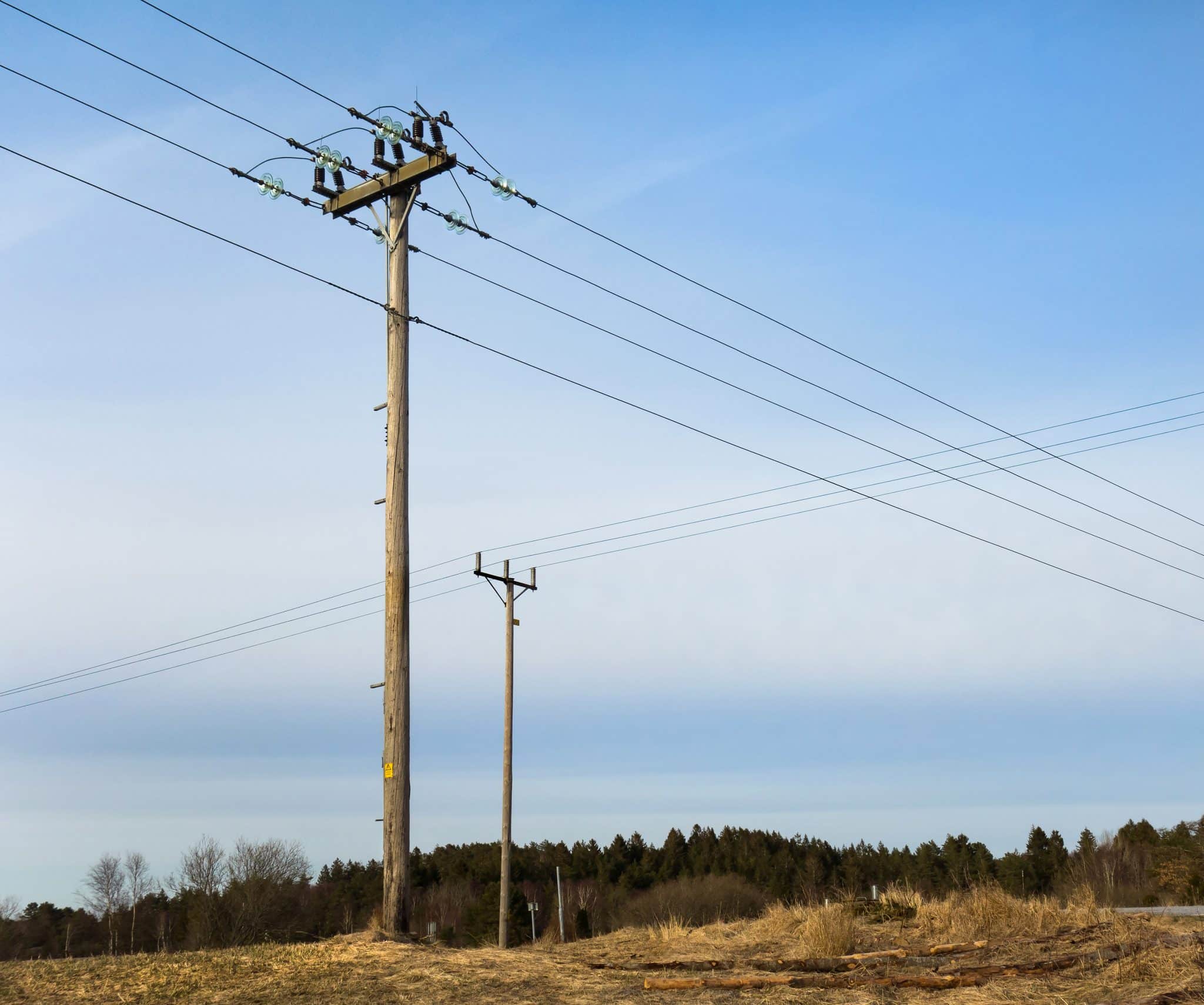
Powerline wireless sensors monitor grid performance but face vulnerabilities to EMI and RFI, which can disrupt signal transmission and data accuracy

EMI and RFI Interference 

The increasing complexity of smart grids means more electronic components are operating simultaneously, often in close proximity. This creates a higher risk of interference: 

  • EMI from industrial machinery or power lines can disrupt sensitive sensors and control units. 
  • RFI from wireless communication devices can interfere with the real-time data exchange necessary for efficient grid operations. 

Left unchecked, these disruptions can lead to system failures, miscommunication between grid components, and costly outages. 

Mitigating these risks is essential to ensure the reliability of smart grids. Effective shielding solutions and robust system designs can significantly reduce the impact of EMI and RFI, helping maintain seamless communication and operational efficiency.

Hawaii_solar;_a_photovoltaic_power_station_(36293687646)
Solar farms bring clean energy but challenge grids with variable power flows that demand precise management

Integrating Renewable Energy 

Renewable sources like wind and solar are inherently variable. Their output depends on weather conditions and time of day, creating fluctuations that the grid must manage. Electronics must adapt seamlessly to these changes to maintain stability and ensure consistent power delivery. 

This variability increases the risk of signal disruptions and inefficiencies, as grid components must constantly adapt to changing inputs, potentially causing equipment stress and delays.

How EMI and RFI Shielding Enhance Smart Grids 

Shielding solutions are essential for maintaining the performance, reliability, and safety of smart grid electronics. They protect critical components from the harmful effects of EMI and RFI while supporting the efficient operation of the entire system. 

Board-Level Shields 

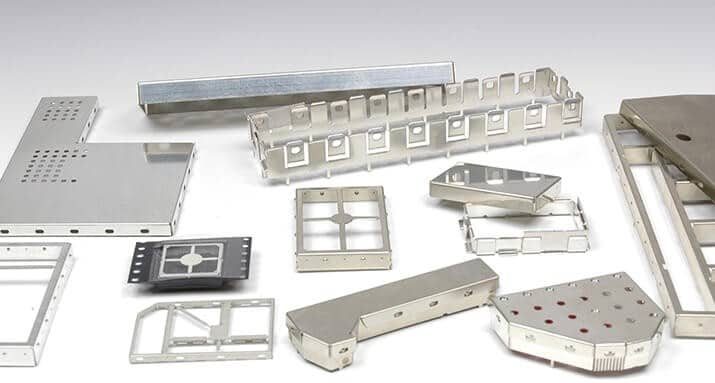
Board-level shields are critical for safeguarding the sensitive electronics that serve as the “brain” of the grid. Found in control units, inverters, and communication modules, these shields block external interference that could corrupt signals or disrupt operations. For example, a smart grid’s control system relies on precise, uninterrupted data to monitor and manage energy flow. Without proper shielding, electromagnetic noise from nearby industrial equipment could cause significant disruptions. 

Leader Tech’s board-level shields are designed to fit the specific needs of these components. Lightweight and customizable, they ensure optimal protection without adding unnecessary bulk or weight. 

Conductive Elastomers 

Energy storage systems, such as large-scale batteries, are essential for balancing supply and demand in renewable energy grids. Conductive elastomers provide dual functionality: sealing these systems from environmental factors like moisture or dust while shielding them from EMI. This ensures long-term reliability, even in harsh operating conditions. 

For example, in a solar farm, energy is stored in batteries during the day and released at night. Conductive elastomers ensure that these batteries remain operational and efficient, regardless of the environmental or electromagnetic challenges they face. 

Fabric-Over-Foam Gaskets 

Smart meters and sensors are the communication hubs of a smart grid, transmitting critical data about energy usage and grid health. Fabric-over-foam gaskets shield these devices from RFI, ensuring that data is transmitted accurately and without interference. Their flexibility and durability make them ideal for compact designs where space is at a premium. 

Leader Tech’s fabric-over-foam gaskets are designed to maintain conductivity and shielding performance over extended periods, even in demanding environments. 

Custom Shielding Solutions 

Some grid components, such as renewable energy inverters, require highly specific shielding solutions to address unique design or operational challenges. For instance, inverters convert DC energy from solar panels into AC energy for the grid. These systems are particularly sensitive to EMI, which can reduce their efficiency and longevity. 

Leader Tech works closely with clients to develop tailored shielding solutions that meet these exacting demands, ensuring optimal performance under any conditions. 

Why Shielding Matters for Sustainability 

EMI and RFI shielding does more than protect individual components—it supports the broader goals of sustainability and resilience within smart grids. 

  • Preventing Data Loss: Shielding preserves the integrity of the signals and data that drive real-time grid operations. 
  • Extending Component Lifespan: By protecting against interference and environmental stress, shielding reduces maintenance needs and extends the life of critical electronics. 
  • Facilitating Renewable Integration: With shielding in place, smart grids can more effectively manage the variability of renewable energy, ensuring consistent and efficient power delivery. 
Power County Wind Farm
High-frequency EMI from wind turbine inverters and generators can disrupt critical sensors and communication systems, impacting performance and grid reliability

The Future of Smart Grids 

The evolution of smart grids is accelerating, driven by advancements in technology and the growing demand for clean energy. Here’s what’s on the horizon: 

AI-Driven Optimization 

Artificial intelligence is increasingly being used to predict energy demand, detect faults, and optimize resource allocation. By analyzing data from sensors and meters, AI enables grids to respond dynamically to changing conditions. 

IoT Expansion 

The Internet of Things (IoT) connects millions of devices across the grid, from smart appliances to industrial machinery. These connections generate valuable data that can be used to improve grid performance, but they also increase the potential for interference—making shielding even more important. 

Advanced Materials 

Innovations in materials science, such as graphene-based shielding or nanotechnology, are opening new possibilities for lightweight, high-performance solutions. These materials are expected to play a significant role in the next generation of grid electronics. 

SCADA
SCADA systems are evolving with AI and IoT integration, paving the way for smarter, more adaptive grid management in the future of energy
Leader Tech's graphene shielding offers cutting-edge protection for sensitive grid electronics, enabling efficient and reliable operations in modern smart grids.

Leader Tech: Supporting the Energy Systems of Tomorrow 

As smart grids continue to evolve, the need for reliable, interference-resistant electronics will only grow. Leader Tech is proud to be a part of this journey, offering advanced EMI and RFI shielding solutions that protect critical grid components and support the transition to a sustainable energy future. 

From board-level shields to custom solutions, our products are designed to meet the specific challenges of modern energy systems. Whether you’re upgrading existing infrastructure or building the next generation of smart grid electronics, Leader Tech has the expertise and innovation to help you succeed. 

Discover how Leader Tech’s shielding solutions can power your smart grid innovation. Explore our full product range today. 

LinkedIn
X
Facebook
Email
David Mendez Galpern
Leader Tech EMI/RFI Shielding integrated into aerospace applications

Subscribe to receive our newsletters and product updates

This field is for validation purposes and should be left unchanged.
Leader Tech Inc needs the email address you provided to send you our newsletters and product updates. You may unsubscribe from these communications at any time.
Archives
×

Rep Firm