USA-Made

Sustainable Power: Thermal and Shielding Solutions That Drive Energy Reliability

Wind turbines and solar panels

As the world transitions to clean energy, the electronics powering solar panels, wind turbines, and battery systems must rise to meet new challenges. While much of the focus is on efficiency and output, the invisible forces of electromagnetic interference (EMI) and radio frequency interference (RFI) can compromise even the most advanced systems if not properly addressed. 

To ensure reliability, safety, and performance, shielding and grounding strategies must evolve alongside renewable technologies. This article explores how thoughtful integration of EMI/RFI shielding, thermal management, and grounding components helps engineers future-proof the electronic backbone of solar and wind energy systems. 

Solar panel wiring

The Invisible Challenge Behind Clean Power 

Renewable energy systems may appear simple on the surface — solar panels soaking up the sun or wind turbines turning quietly in the breeze. But beneath that surface lies a dense network of high-frequency inverters, power controllers, communication modules, and battery management systems (BMS). These components generate, switch, and store power at extremely fast rates, making them vulnerable to EMI/RFI and thermal buildup. 

From utility-scale solar farms to residential battery backups, clean energy systems demand tightly integrated electronics that can: 

    • Withstand environmental noise 
    • Maintain signal integrity 
    • Operate efficiently in extreme conditions 
    • Comply with EMC regulations 

That’s where EMI/RFI shielding, thermal management, and grounding step in — not as afterthoughts, but as essential design elements. 

thermal image pcb
Thermal image reveals heat concentration in a high-power component, highlighting the risk of localized thermal stress in compact renewable systems.

Sources of EMI/RFI in Renewable Systems 

Power electronics in renewable energy applications are especially prone to generating and receiving EMI/RFI. Key contributors include: 

  • High-frequency switching in inverters and converters 
  • Long cable runs exposed to environmental and internal noise 
  • Compact PCB layouts with mixed-signal components 
  • Proximity of communication and power circuits within hybrid modules 

Without proper shielding and grounding, these systems risk crosstalk, data corruption, shutdowns, or overheating — all of which can lead to costly downtime and safety hazards. 

Close-up of a circuit board showcasing intricate electronic components
Wind Turbine Rainy day

The Role of Shielding and Grounding in System Reliability 

Shielding protects sensitive circuits from external EMI/RFI and prevents emissions from interfering with nearby systems. Grounding, meanwhile, provides a stable reference and a safe path for fault currents or transient voltages. 

In renewable applications, these functions are essential to: 

  • Achieving grid compliance with EMC standards 
  • Preventing intermittent system failures in remote locations 
  • Avoiding false readings in voltage and current sensors 
  • Preserving communication between modules and central controllers 
  • Ensuring long-term reliability in harsh outdoor environments 

Proper implementation is not a luxury — it’s a performance requirement. 

Field Failures and What Causes Them: Lessons from the Real World 

While shielding and grounding often appear as line items on a spec sheet, the real-world consequences of getting them wrong are costly and immediate. Across renewable energy deployments, many performance failures can be traced not to faulty semiconductors or firmware bugs — but to avoidable EMI/RFI, improper grounding, or poor thermal design. 

Consider these all-too-common scenarios: 

    • Intermittent inverter resets in the field, caused by radiated EMI/RFI from poorly shielded switching circuits coupling into low-voltage sensing lines. 
    • Battery management systems (BMS) losing communication, especially over CAN or Modbus, due to conducted noise along inadequately suppressed cable runs. 
    • Thermal shutdowns of charge controllers that pass the lab test, but fail under real sun exposure due to inadequate heat transfer away from power transistors. 
Relays
Improperly shielded cable runs and exposed connectors are common sources of EMI/RFI and signal loss in solar and wind installations.

These aren’t theoretical problems — they lead to expensive truck rolls, system downtime, and in some cases, grid compliance violations. Worse, they often surface weeks or months after installation, making root-cause diagnosis and remediation more difficult and costly. 

The right shielding and thermal materials could have prevented these failures. When engineered properly from the start, EMI/RFI and thermal controls don’t just meet compliance — they deliver long-term operational stability. That’s what system designers, field technicians, and asset owners ultimately care about. 

Strategic Shielding Approaches for Renewable Electronics

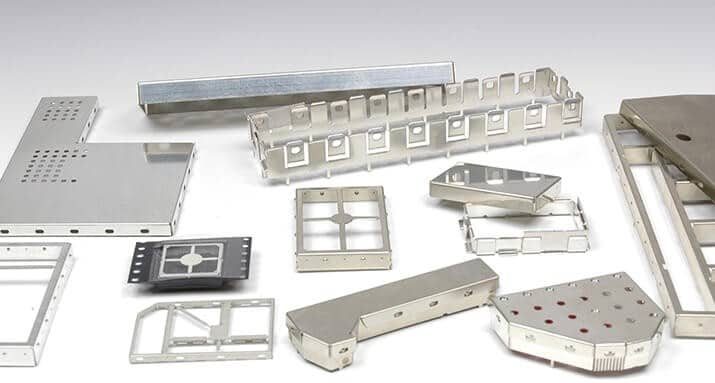
Board-Level Shields (BLS) 

Used extensively in microinverter and battery management PCBs, board-level shields help isolate critical analog and digital circuitry from high-frequency switching noise. Leader Tech offers designs with multiple cavity options, venting, and form factors that can fit tight component layouts. Shielding effectiveness typically reaches up to 60 dB, depending on the configuration and materials like pre-tin plated steel or alloy 770. 

Conductive Elastomers 

For outdoor and high-vibration environments, conductive elastomers provide both EMI/RFI protection and environmental sealing. Leader Tech’s fluorosilicone-based materials are well-suited for enclosures exposed to moisture or chemicals. Certain grades deliver shielding up to 110 dB across a broad frequency range, ensuring reliability for long-duration deployments. 

Fabric-Over-Foam Gaskets 

Fabric-over-foam gaskets are ideal for sealing communication ports and interface panels without adding bulk. They offer consistent compression and conductivity, with surface resistivity values low enough to support effective shielding into the GHz range. These gaskets are a flexible, cost-effective option for clean EMI/RFI contact between metal surfaces. 

Ferrite Cable Shields 

Ferrite components are essential for controlling interference along power and data lines, especially over long cable runs in solar and wind installations. Snap-on cores are available for various wire gauges and are designed to attenuate high-frequency noise, particularly around 100 MHz, where inverter switching activity is strongest. 

Thermal Management Materials 

Thermal materials are essential for controlling heat in high-power assemblies, especially in compact inverters and control units. Leader Tech offers a range of products designed to improve heat flow between hot components and mounting surfaces. These materials offer thermal conductivity in multiple directions, with Z-axis values ranging from 1.0 to 130 W/m·K, helping reduce stress, prevent overheating, and maintain stable operation. 

Custom Solutions 

When standard profiles and formats don’t meet the project’s needs, Leader Tech offers engineered-to-order solutions that combine shielding, thermal, and mechanical requirements. Options include multi-function gaskets, precision-cut shields with complex geometries, and rapid prototyping — often without the need for custom tooling or long lead times. 

Reliability That Extends Beyond the Lab 

While renewable energy systems are designed for decades of use, real-world conditions can quickly reveal weaknesses. EMI/RFI shielding and grounding components from Leader Tech support: 

    • Long-term stability of power conversion and storage 
    • Robust protection against surges, transients, and radiated noise 
    • Consistent system behavior in high-heat, high-humidity, or high-vibration settings 
    • Streamlined EMC certification and grid compliance 

By addressing EMI/RFI and grounding early in the design phase, engineers can avoid costly revisions and ensure their systems operate as intended — reliably, quietly, and safely. 

Snow falling on solar panels

Building the Clean Energy Grid, One Shield at a Time 

In the race to decarbonize the energy sector, renewable systems must not only generate clean power — they must do it reliably. That reliability begins with solid EMI/RFI shielding and grounding strategies that protect electronics from the very energy they help manage. 

Leader Tech’s portfolio of shielding gaskets, board-level components, cable suppression products, and thermal solutions is engineered to meet the demanding environments of solar, wind, and energy storage systems. Whether through standard offerings or custom-designed solutions, we help power engineers build the next generation of clean, connected energy. 

LinkedIn
X
Facebook
Email
David Mendez Galpern
Leader Tech EMI/RFI Shielding integrated into aerospace applications

Subscribe to receive our newsletters and product updates

This field is for validation purposes and should be left unchanged.
Leader Tech Inc needs the email address you provided to send you our newsletters and product updates. You may unsubscribe from these communications at any time.
Archives
×

Rep Firm