


Enclosure Shielding Solutions for EMI/RFI Protection
Enclosure shielding is used to contain and control electromagnetic interference (EMI/RFI) within electronic systems, preventing unwanted emissions from escaping and external noise from entering. As operating frequencies increase and system designs become more compact, maintaining shielding integrity at the enclosure level becomes critical for both performance and regulatory compliance.
Even well-designed enclosures can become vulnerable at seams, joints, access panels, and mating surfaces. These discontinuities create leakage paths where electromagnetic energy can escape or couple into sensitive components. Without proper shielding at these interfaces, overall system effectiveness can be significantly reduced.
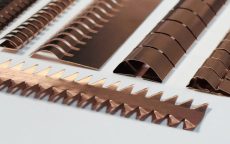
Shielding solutions address these challenges by maintaining continuous electrical conductivity across enclosure gaps. Materials such as conductive gaskets, fingerstock, and formed metal components are used to bridge mating surfaces, ensuring consistent contact under compression while accommodating mechanical tolerances and repeated access.
Material selection and design are driven by factors such as shielding effectiveness, compression characteristics, environmental conditions, and long-term durability. The right combination of materials and geometry allows enclosures to maintain performance across a wide range of operating conditions, from commercial electronics to demanding industrial and high-reliability applications.
For technical questions or support, please contact sales@leadertechinc.com.



Shielding Selection Considerations
Consider these important factors in the selection of appropriate shielding products for your design:
- Operating Frequency
- Materials Compatibility
- Load/Forces
- Corrosive Considerations
- Commercial or Military
- Worldwide Compliance
- Operating Environment
- Cycle of Life
- Cost
- Material Thickness/Alloy
- Attenuation Performance
- Fastening/Mounting Methods
- Worldwide Compliance
- Nuclear, Biological, Chemical (NBC)
- Shielding/Grounding/Other
- Electrical Requirements
- Space/Weight Considerations
- Product Safety
- Recyclability
Enclosure Shielding Product Selection Guide
| Parameters | TechSIL Conductive Elastomer | Fabric Shielding Gaskets(FSG) | Cu/Be Metal Gaskets | TechMESH Knitted Wire | Conductive Foam | Tech Vents | Techsil Oriented Wire | Shielding Fabric |
|---|---|---|---|---|---|---|---|---|
| High Cycling | Good | Good | Excellent | Good | Good | N/A | Good | N/A |
| Wiping Applications | N/A | Good | Excellent | Good | N/A | N/A | N/A | N/A |
| Dust Protection | Excellent | Very Good | N/A | Good | Very Good | Very Good | Excellent | Excellent |
| Moisture Protection | Excellent | N/A | N/A | N/A | N/A | N/A | Very Good | N/A |
| Deflection % | 10-20% | 30-50% | 15-85% | 20-50% | 30-60% | N/A | 10-20% | N/A |
| Design Flexibility | Excellent | Excellent | Very Good | Very Good | Excellent | Excellent | Very Good | Good |
| Material Options | Very Good | Good | Excellent | Good | Good | Excellent | Good | Good |
| I/O Applications | Excellent | Very Good | Good | Good | Excellent | N/A | Good | N/A |
| Shielding Effectiveness | Excellent | Excellent | Excellent | Excellent | Very Good | Excellent | Very Good | Very Good |
| Tooling/NRE | $ | $ | $ | $ | $ | $ | $ | $ |
| Part Cost | $$$ | $ | $$$ | $ | $$ | $$$ | ||
| Lead Times | Very Good | Excellent | Excellent | Good | Very Good | Good |
Frequently Asked Questions About Enclosure Shielding
What is enclosure shielding?
Enclosure shielding is the use of conductive materials to reduce electromagnetic interference entering or escaping an electronic enclosure. Shielding solutions are commonly installed along seams, doors, access panels, ventilation openings, and other areas where electrical continuity may be interrupted.
How does an EMI shielding gasket work?
An EMI shielding gasket creates a conductive path between two mating surfaces. When properly compressed, the gasket helps close gaps and maintain electrical contact across the enclosure seam, reducing the opportunity for electromagnetic energy to pass through the opening.
What factors should be considered when selecting an enclosure shielding gasket?
Important factors include the required shielding performance, available compression space, operating frequency, enclosure material, environmental exposure, compression force, and the number of times the enclosure will be opened. The gasket profile and mounting method must also fit the mechanical design.
Which materials are commonly used for enclosure shielding?
Common enclosure shielding materials include beryllium copper fingerstock, conductive fabric-over-foam gaskets, knitted wire mesh, conductive elastomers, and conductive foam. Each material offers different levels of conductivity, compression force, environmental resistance, and mechanical durability.
What causes gaps in an enclosure to leak electromagnetic interference?
EMI leakage commonly occurs when seams, joints, doors, or removable panels do not maintain continuous electrical contact. Uneven compression, loose fasteners, corrosion, and openings around cables or ventilation areas can also interrupt the shielding path.
Can enclosure shielding also provide an environmental seal?
Some shielding solutions can combine EMI protection with environmental sealing. Conductive elastomers and certain knitted wire mesh configurations may help protect against moisture, dust, or other environmental conditions while maintaining electrical continuity.
How do surface conditions affect EMI shielding performance?
The mating surfaces of an enclosure should support consistent electrical contact with the shielding gasket. Contamination, corrosion, uneven surfaces, or inconsistent gasket compression can increase contact resistance and reduce shielding effectiveness.
How are ventilation openings protected from EMI?
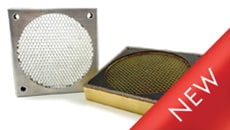
Ventilation openings can be protected with EMI vent panels, including conductive honeycomb vents. These panels allow airflow while helping attenuate electromagnetic energy passing through the opening. Vent construction, cell size, depth, plating, and gasketing can influence performance.
Can enclosure shielding be customized for a specific design?
Yes. Enclosure shielding materials can often be customized by profile, dimensions, material, plating, adhesive, mounting method, and environmental requirements. Custom fabrication may also include cut lengths, formed components, die-cut parts, and application-specific configurations.
How do I determine the shielding effectiveness required for an enclosure?
The required shielding effectiveness depends on the equipment’s emissions limits, immunity requirements, operating frequencies, and surrounding electromagnetic environment. Testing requirements, applicable industry standards, and the sensitivity of internal components should be evaluated before selecting a shielding solution.