


The trend of reshoring electronics and manufacturing operations to the United States is gaining traction as companies face rising tariffs and geopolitical uncertainties. In 2022, the United States saw over 360,000 manufacturing job announcements due to reshoring and foreign direct investment (FDI) (reshorenow.org), marking a 53% increase from 2021.
This surge was significantly driven by investments in electric vehicle (EV) batteries and semiconductor manufacturing. For manufacturers and electronics companies, this shift presents both challenges and opportunities in optimizing product design, supply chains, and manufacturing processes to meet domestic demands.
Reshoring offers the potential for better quality control, reduced dependency on foreign suppliers, and improved market responsiveness. However, it also requires strategic adjustments in sourcing, production, and compliance to ensure successful implementation.

According to a Reshoring Initiative report, 350,000 jobs were reshored in 2021, reinforcing the growing trend of companies shifting their operations back to the U.S. The Kearney Reshoring Index further highlights this shift, showing that 30% of U.S. manufacturers are actively considering reshoring in response to supply chain disruptions and increasing domestic production advantages. Additionally, reshoring speeds up manufacturing processes by reducing lead times, improving response to market shifts, and enabling more agile production cycles, allowing companies to remain competitive in a fast-moving global economy.
Reshoring is not just a reactive strategy but a proactive approach to enhancing operational efficiency and innovation. It allows companies to tap into emerging technologies, streamline production workflows, and create a more resilient supply chain. With global disruptions becoming more frequent, reshoring offers an opportunity to future-proof businesses by bringing critical operations closer to home, reducing lead times, and enhancing responsiveness to customer demands. Moreover, the availability of government incentives and tax benefits further strengthens the business case for reshoring, making it an attractive long-term investment.
Key Considerations in Reshoring Electronics and Manufacturing
Reshoring electronics and manufacturing requires companies to rethink and redesign their processes to fit the domestic landscape. This includes re-evaluating sourcing strategies, production efficiency, and compliance with industry standards. The process involves aligning operations with local capabilities, balancing cost efficiency with quality, and leveraging new technological advancements to maintain competitiveness. Understanding market demand fluctuations and having adaptable manufacturing processes are crucial to making reshoring a success. Additionally, reshoring offers the opportunity to implement modern manufacturing methodologies such as agile production, ensuring businesses can quickly pivot based on consumer demand.
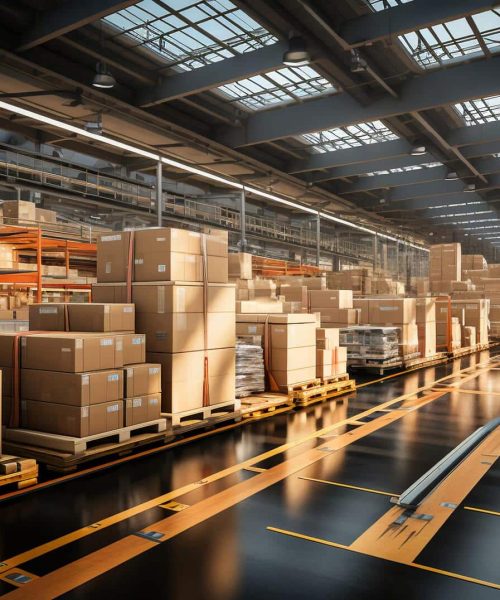
Reshoring electronics manufacturing demands an in-depth review of domestic supply chain logistics. Companies need to identify reliable U.S.-based suppliers for critical components such as PCBs, semiconductors, and specialty materials like thermal interface materials and EMI shielding solutions. Logistics also play a crucial role, with manufacturers optimizing inventory management through just-in-time (JIT) strategies and leveraging local distribution centers to reduce lead times and enhance responsiveness. Establishing redundancy plans and alternative supplier networks ensures stability and minimizes disruptions. Additionally, companies should consider building partnerships with logistics providers that specialize in domestic transportation to further streamline their supply chains. Investing in automated inventory tracking systems can further enhance visibility and responsiveness within the supply chain.
Manufacturing Process Adaptation
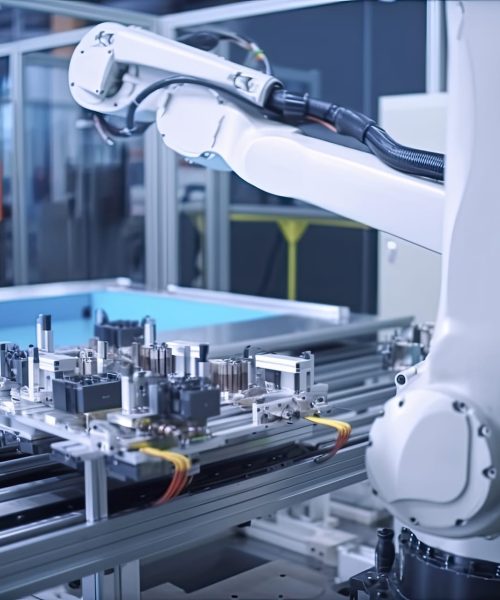
Transitioning to domestic manufacturing requires a strategic approach to production line efficiency. Many overseas facilities are designed for high-volume, low-cost production, whereas U.S. manufacturing focuses on quality and flexibility. Spending on U.S. manufacturing facilities reached an annual rate of $114.7 billion in 2022 (sloanreview.mit.edu) a 40% year-over-year increase highlighting the scale of investments being made to bolster domestic production capabilities. Implementing automation technologies such as SMT (Surface-Mount Technology) placement machines, automated optical inspection (AOI) systems, and inline X-ray inspection ensures consistent quality and reduced labor costs. Engineers must also consider retrofitting legacy equipment to support Industry 4.0 initiatives, such as IoT-enabled predictive maintenance and real-time performance monitoring. Proper employee training and process refinement are essential to maximize operational efficiency. Leveraging lean manufacturing principles can further enhance productivity and minimize waste. Investing in modular production lines and flexible automation systems allows for rapid adaptation to new product demands and technological advancements.

Rising Labor Costs in Offshore Manufacturing
Historically, companies offshored production to take advantage of lower labor costs in developing countries. However, in regions like China, wages have increased by approximately 300% over the past two decades, significantly reducing the cost gap between offshore and domestic manufacturing.
As labor costs in key offshoring locations continue to rise, reshoring is becoming a more financially viable option. Companies looking to maintain cost competitiveness while improving quality control and supply chain stability are increasingly considering domestic production as a long-term strategy.
Changing Consumer Preferences for Locally Made Products
Consumers are placing a greater emphasis on sustainability, ethical sourcing, and product quality, all of which contribute to a growing preference for domestically manufactured goods. Companies that highlight “Made in USA” branding can differentiate themselves in the market, appealing to consumers who prioritize environmentally responsible production, fair labor practices, and shorter supply chains. Additionally, localized production allows companies to better align with market trends and quickly adapt to shifting consumer demands, improving overall competitiveness.


Benefits of Reshoring for Electronics Manufacturers
Reshoring electronics and manufacturing operations offer several benefits that can enhance efficiency, improve quality, and provide better market responsiveness. The electronics sector, particularly semiconductor manufacturing, has been at the forefront of reshoring activities. Significant investments in domestic semiconductor facilities have been made to address global chip shortages (diazcommercial.com) affecting various industries, including automotive and consumer electronics. Companies can gain better control over their operations and achieve faster response times to customer demands, leading to improved customer satisfaction and brand reputation.

Improved Collaboration
Bringing production closer to R&D facilities allows for greater collaboration between design and manufacturing teams. This proximity facilitates rapid prototyping, quicker design iterations, and more effective troubleshooting, reducing the time to market for new products. Direct oversight and hands-on involvement in manufacturing processes also enhance innovation and operational agility. Face-to-face collaboration among cross-functional teams fosters a culture of continuous improvement and innovation. This improved synergy helps reduce development cycles and encourages iterative improvements.

Enhanced Product Quality
Domestic production facilities enable stricter quality control measures, including real-time process monitoring and rigorous testing protocols such as In-Circuit Testing (ICT) and Functional Testing (FCT). This leads to fewer defects and higher overall reliability, which is crucial in industries like aerospace, automotive, and medical devices. Consistent quality assurance practices contribute to reduced warranty claims and increased customer trust. Implementing Six Sigma methodologies can further enhance quality and reduce variations in production. Standardizing manufacturing processes across facilities can also lead to consistent product performance.

Intellectual Property (IP) Security
Reshoring electronics manufacturing helps mitigate the risks associated with IP theft and counterfeit components, which are prevalent in offshore production environments. Domestic production facilities can implement stringent access controls and cybersecurity measures, ensuring proprietary designs and sensitive data remain protected. Maintaining control over proprietary designs enhances a company’s competitive edge and innovation capabilities. Compliance with data protection regulations such as GDPR and CCPA ensures that sensitive customer information remains secure. By localizing production, companies can more effectively monitor and enforce their IP rights.

Sustainability Advantages
Shorter supply chains reduce the environmental impact associated with long-distance shipping, packaging waste, and energy consumption. Additionally, manufacturers can implement eco-friendly processes such as lead-free soldering, energy-efficient reflow ovens, and waste recycling initiatives to align with corporate sustainability goals. Sustainable practices contribute to a positive brand image and compliance with evolving environmental regulations. Implementing green manufacturing strategies can further improve resource efficiency and reduce carbon footprints.
Why Reshoring is a Smart Move
Reshoring electronics and manufacturing operations presents a valuable opportunity for companies to gain greater control over their production processes, improve product quality, and strengthen their competitive edge. By bringing production closer to home, companies can respond more quickly to market changes, collaborate more effectively with suppliers and customers, and benefit from improved supply chain resilience.
With advancements in automation and technology, reshoring is no longer just about cost reduction; it’s about building smarter, more agile manufacturing ecosystems that align with business goals and sustainability efforts. Companies that embrace reshoring today are positioning themselves for long-term success in an increasingly complex and fast-moving global market.
Leader Tech: Supporting the Reshoring Revolution
Leader Tech is uniquely positioned to support the reshoring efforts of electronics manufacturers by offering advanced manufacturing capabilities and cutting-edge engineering solutions that ensure seamless transitions from offshore to domestic production. As companies look to reduce their dependence on Asia and strengthen their supply chains, Leader Tech provides industry-leading expertise and precision-engineered solutions that meet the rigorous demands of modern electronics manufacturing.
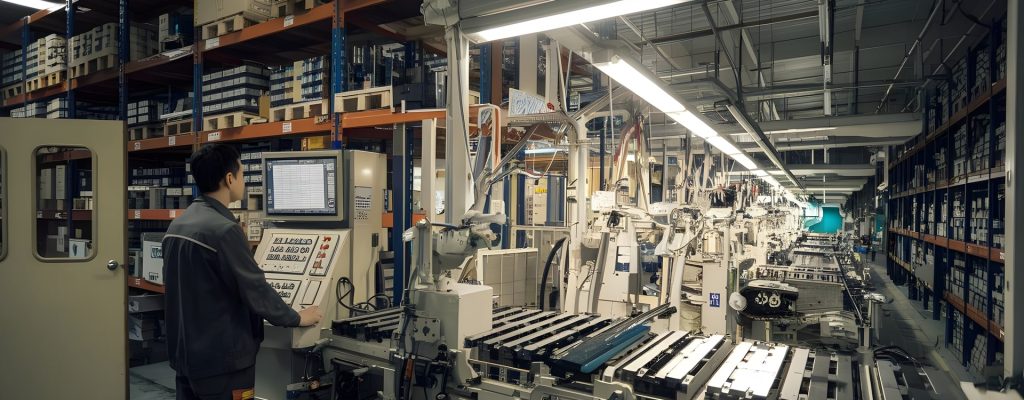
Our ongoing investment in new technologies enables us to deliver world-class products that align with reshoring objectives. From state-of-the-art production facilities to innovative material science developments, we are committed to equipping manufacturers with the high-performance EMI shielding, thermal management, and custom-engineered solutions they need to maintain reliability and compliance in an increasingly competitive market. By continuously advancing our manufacturing techniques and automation processes, Leader Tech enhances efficiency, ensures scalability, and helps businesses future-proof their operations against global uncertainties.

By reshoring with Leader Tech, companies gain greater control over quality, faster turnaround times, and the ability to meet stringent domestic regulations without relying on foreign suppliers. Our commitment to engineering excellence and process innovation ensures that every component we manufacture meets the highest performance standards. Whether optimizing designs for EMI shielding, thermal dissipation, or custom enclosures, our expertise allows businesses to transition to U.S.-based production with confidence.
At Leader Tech, we recognize that reshoring is not just about moving production—it’s about building a more resilient, sustainable, and technologically advanced manufacturing ecosystem. As a trusted partner, we empower companies to maximize efficiency, reduce risks, and enhance long-term competitiveness in an evolving global landscape. Partner with Leader Tech today and take full advantage of the benefits of reshoring—where innovation meets reliability, and domestic manufacturing thrives.