In today’s rapidly evolving manufacturing landscape, Industry 4.0 represents a major leap forward in how factories operate. As systems become increasingly interconnected with smart devices, sensors, and AI-driven automation, ensuring the reliability and functionality of these systems becomes more challenging. One of the most pressing issues faced by smart manufacturing systems is electromagnetic interference (EMI), which can disrupt the performance of sensitive equipment and halt production.
EMI can cause significant disruptions in these highly automated environments, where millisecond delays or errors can result in costly production halts or compromised data integrity. To address this, it is essential to employ advanced EMI shielding techniques to reduce interference and ensure that smart manufacturing systems continue to operate at peak performance.
What is Industry 4.0?
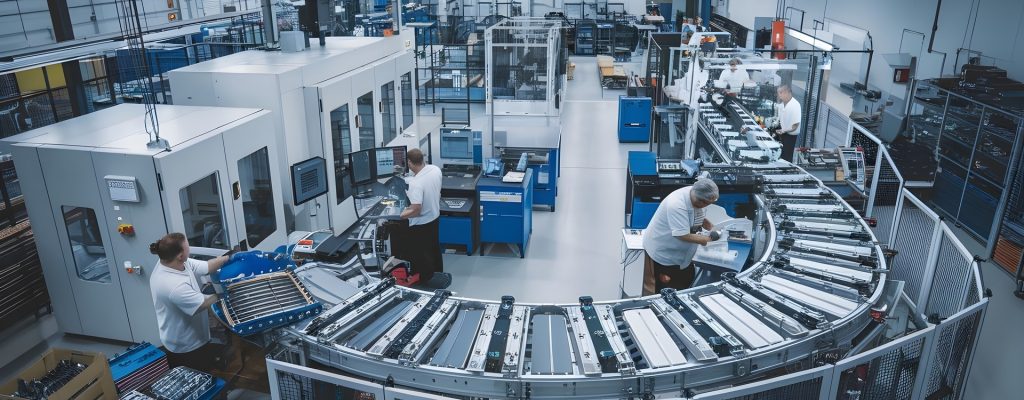
Industry 4.0, also known as the Fourth Industrial Revolution, is fundamentally transforming the manufacturing sector. Unlike previous industrial revolutions that focused on mechanization, mass production, and automation, Industry 4.0 revolves around the integration of digital technologies into every aspect of manufacturing. Key technologies driving this transformation include the Internet of Things (IoT), artificial intelligence (AI), robotics, and cloud computing.
At the heart of Industry 4.0 are “smart factories” where devices, machines, and workers are interconnected. Sensors collect vast amounts of data in real-time, which is then analyzed to make autonomous decisions, optimize production lines, and prevent downtime. The combination of IoT, AI, and automation allows manufacturers to increase operational efficiency, reduce waste, and produce customized products at scale.
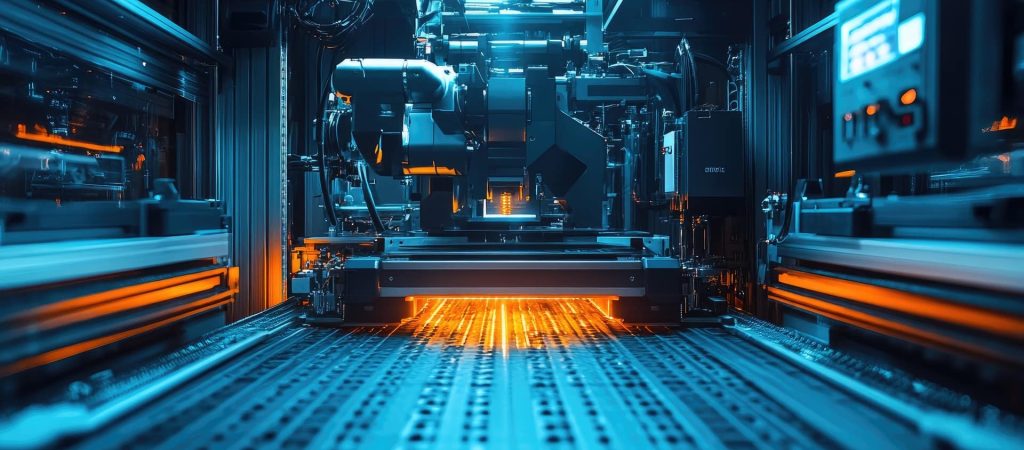
However, this interconnectedness, while transformative, also introduces vulnerabilities in terms of electromagnetic interference. As factories incorporate more sensors, wireless communication technologies, and complex machinery, the risk of interference grows. It’s no longer just about ensuring machines function independently; it’s about making sure the entire ecosystem operates smoothly without disruption from EMI.
The Rise of Smart Manufacturing Systems and Their Vulnerability to EMI
The transition to smart manufacturing has resulted in a dramatic increase in the number of interconnected devices on the factory floor. This rise in complexity is a double-edged sword. On one hand, smart manufacturing systems promise unprecedented levels of automation, efficiency, and data-driven decision-making. On the other hand, these systems are highly susceptible to EMI, which can compromise their functionality.
In a smart factory, where robotic arms, autonomous guided vehicles (AGVs), sensors, and wireless networks constantly interact, EMI can manifest in various forms. Power line noise, RFI, electrostatic discharge (ESD), and crosstalk between devices can cause communication errors, incorrect data processing, or malfunctions in machinery. For instance, a slight miscommunication between a sensor and a controller can halt an entire production line, leading to downtime that costs both time and money.
Furthermore, many advanced manufacturing systems rely on precise data acquisition from sensors and real-time data processing through AI systems. EMI can corrupt the signals from these sensors, leading to inaccurate readings and, consequently, faulty decisions. This makes mitigating EMI in smart manufacturing systems not just important but essential to ensuring continuous, error-free operations.
The Role of EMI Shielding in Smart Manufacturing
EMI shielding plays a pivotal role in safeguarding smart manufacturing systems against the damaging effects of electromagnetic interference. Shielding materials act as barriers, absorbing or reflecting unwanted electromagnetic waves to prevent them from interfering with sensitive components. The goal is to ensure that devices and systems can communicate effectively without disruption, maintaining system integrity across the factory floor.
In a smart manufacturing scenario, shielding isn’t just about preventing random interference. It’s about strategically applying it to critical components that require uninterrupted operation, such as:
- Sensors: These collect real-time data and are integral to maintaining accurate feedback loops within the system.
- Controllers: Responsible for decision-making and sending instructions to machines, controllers need to operate free from interference to ensure smooth production processes.
- Communication Systems: Wireless networks, cloud-based systems, and other communication channels need to remain stable and secure to facilitate data exchange across the factory floor.
Using the right EMI shielding materials for these components can prevent production stoppages, ensure the accuracy of automated systems, and maintain the seamless integration of all devices and machines within the system.
Types of EMI Shielding Tailored for Smart Manufacturing
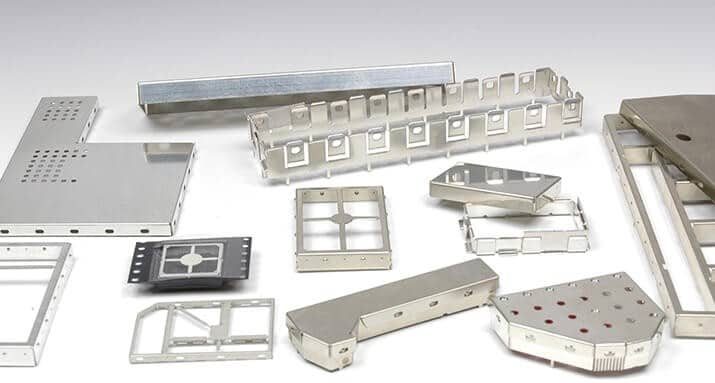
Board-Level Shielding: In smart manufacturing systems, the individual circuit boards of sensors, controllers, and processors need protection from EMI to maintain signal integrity. Board-level shielding (BLS) is a cost-effective solution for EMI/RFI isolation, capturing energy directly at the source. While other shielding technologies, such as enclosures and gasketing, are still valuable in different contexts, BLS offers an efficient and economical option for protecting sensitive components. It ensures that these components can function reliably in the face of electromagnetic disturbances, which is especially critical for high-precision systems like robotics or automated quality control systems.
Cable Shielding: In a connected factory, data cables and power cables are critical for communication between devices. These cables can act as antennas, picking up and emitting unwanted interference. Using cable shielding—such as braided copper, foil wraps, or cable ferrites (common mode chokes)—helps maintain the integrity of data transmission, reducing the potential for communication errors and data corruption in real-time processes. Cable ferrites, a key product offered by Leader Tech, provide an effective solution for EMI isolation at the cable level, ensuring reliable communication and minimizing the impact of electromagnetic interference.
Enclosure Shielding Gasketing: A manufacturing environment may require seals for machinery enclosures, doors, or windows, where traditional rigid shielding materials are impractical. Enclosure shielding gasketing offers flexibility and effectiveness in sealing gaps, ensuring that EMI is blocked without disrupting the movement or accessibility of components. Leader Tech offers a wide range of gasketing materials, including Fabric-Over-Foam (FSG), Conductive Elastomers (ECE), Knitted Mesh, Oriented Wire in Elastomer, Cu/Be Finger Stock, and Conductive Foam Gaskets. These materials provide versatile solutions for different sealing needs, especially in high-vibration or moving environments, ensuring reliable protection against EMI for smart devices.
Microwave Absorber Materials: In smart manufacturing systems, controlling electromagnetic interference (EMI) across a wide range of frequencies is crucial. Microwave absorber materials are specifically designed to address higher-frequency interference, which is often challenging to manage with traditional shielding solutions. These materials are effective at absorbing electromagnetic energy in the microwave spectrum, preventing it from reflecting or leaking into sensitive areas of the system. Leader Tech offers a variety of microwave absorber materials that can be integrated into devices or enclosures, ensuring that EMI is minimized and system performance is optimized. This targeted approach helps protect sensitive components from the impact of high-frequency interference, ensuring reliable and uninterrupted operation.
Overcoming Challenges in EMI Shielding for Smart Manufacturing
One of the key challenges in smart manufacturing is balancing the need for effective EMI shielding with the desire to keep systems lightweight, cost-effective, and flexible. Shielding materials must be durable enough to withstand the harsh conditions of a manufacturing environment, including temperature fluctuations, vibrations, and exposure to chemicals. At the same time, the shielding solutions should not add unnecessary weight or bulk to the system, which could affect mobility or performance.
Additionally, smart manufacturing systems are often designed for maximum flexibility, with components needing to move, adjust, or expand over time. EMI shielding must be adaptable to these changing needs, ensuring that it can be easily integrated or modified without disrupting the system’s operation. This flexibility is critical when considering the unique, dynamic requirements of modern manufacturing environments.
Working with specialized EMI shielding suppliers, such as Leader Tech, helps manufacturers address these challenges. With expertise in customizable shielding solutions—ranging from enclosures to conductive elastomers and thermal pads—these suppliers can provide tailored EMI protection that meets the specific demands of smart manufacturing systems.
The Future of EMI Shielding in Smart Manufacturing
As the world of smart manufacturing continues to evolve, the need for robust EMI shielding will only become more critical. The increasing use of AI, IoT devices, and wireless technologies within manufacturing systems introduces more points of potential interference, making it essential to continuously innovate and improve shielding materials and techniques.
The future of EMI shielding will likely see advancements in lightweight, cost-effective materials that offer superior protection against a wide range of frequencies. Additionally, shielding solutions will need to meet higher environmental standards, further driving the demand for eco-friendly materials and production methods.
In conclusion, EMI shielding is not just a protective measure in smart manufacturing—it is a necessity. With Industry 4.0 transforming how manufacturing systems operate, ensuring that these systems remain free from interference is crucial for maintaining reliability, efficiency, and productivity. As smart manufacturing continues to grow, so will the importance of effective EMI shielding in safeguarding the integrity of these advanced systems.